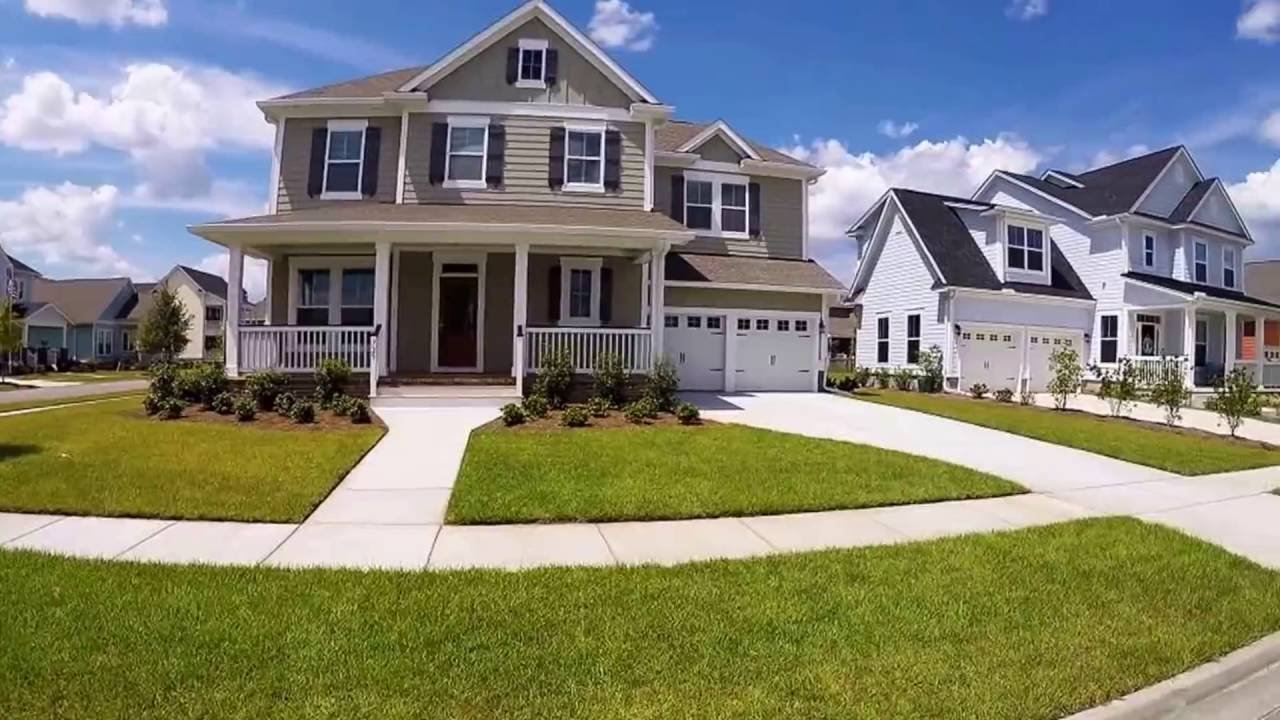
Moving to Summerville, SC means evaluating more than available homes or proximity to Charleston. Buyers working with a local real estate agent or buying agent, such as Roy Brooks @ EXP Realty, need to understand how housing choices, community growth, commuting patterns, school boundaries, and property-specific ownership costs affect everyday life. This Lowcountry town combines an established setting with continued residential development and regional connectivity, creating different options for first-time buyers, families, and relocation buyers. The right decision depends on how a specific home and location align with your budget, routine, and long-term plans. This guide covers the practical factors to evaluate before living in or buying a home in the area.
What Should You Know Before Moving to Summerville, SC?
Summerville is a growing Lowcountry town whose municipal boundaries extend into Dorchester, Berkeley, and Charleston counties, so buyers should evaluate the exact property address rather than treating every local home as jurisdictionally identical. The town also continues to experience residential and commercial development, making location, surrounding growth, and regional access relevant to a relocation decision.
Before choosing a home, focus on the factors that can materially change daily living and long-term ownership:
- Property jurisdiction: County and municipal boundaries can affect which agencies and services apply to an address.
- Housing setting: Established neighborhoods and newer development can offer different ownership and maintenance profiles.
- Regional access: A property’s position relative to major travel corridors matters for buyers commuting elsewhere in the Charleston region.
- Address-specific research: School assignment, taxes, HOA obligations, insurance, and property conditions should be verified for the individual home.
The strongest relocation choice is therefore not simply a home with a local address, but a property whose jurisdiction, location, and ownership requirements align with the buyer’s actual needs.
Location, Lifestyle, & Regional Accessibility
The town’s position within the South Carolina Lowcountry shapes both its residential character and its connection to the wider Charleston region. For people relocating here, the practical question is how the town’s geography, community structure, and transportation network fit their work and daily routines.
Where Is Summerville, SC Located?
Summerville is located northwest of Charleston, with municipal boundaries extending into Dorchester, Berkeley, and Charleston counties. The Town identifies the community as part of South Carolina’s Lowcountry and notes its proximity to Charleston and major employment activity elsewhere in the region.
The three-county footprint matters because two homes with local addresses may fall under different county jurisdictions. That can influence which county offices, property records, school systems, and other address-specific services apply, making the exact property location more useful than the city name alone during relocation research.
Nearby population and employment centers include Charleston, North Charleston, Goose Creek, and Ladson, while the community also functions as its own established town rather than simply an extension of Charleston.
What Is Living in Summerville Like?
Living here combines an established town center with expanding residential and commercial areas. This creates a setting where historic streets and local gathering spaces coexist with newer development serving a growing population.
Community life extends beyond housing. The Town operates parks, recreation programs, community facilities, and scheduled public events, including activities at places such as Doty Park, Rollins Edwards Community Center, and Hutchinson Square.
For someone deciding whether to move here, that mix has a practical implication: lifestyle can vary depending on where the home is located. Living closer to the established town center may provide different access to local businesses and community activity than living in a newer residential area farther from downtown.
The area may therefore appeal to people who want an identifiable town environment while still remaining connected to the economic and commercial activity of the Charleston metropolitan region.
How Accessible Is the Area to the Charleston Region?
The community is primarily driving-oriented, with Interstate 26, U.S. 17A, U.S. 78, and other local roads forming key parts of the surrounding transportation network. Town transportation documents also identify connections toward Ladson, Goose Creek, North Charleston, and other regional destinations.
For commuters, accessibility should be evaluated from the specific home rather than from the town as a whole. A property’s distance from I-26 or another major corridor can affect the route used to reach employment centers, shopping areas, medical services, or Charleston-area destinations.
Traffic conditions also change by route and time of day. Instead of relying on a generalized commute estimate, prospective residents should drive from the neighborhoods they are considering to their regular destinations during typical travel hours.
That approach shows how regional accessibility will function in practice and whether the location fits the buyer’s actual weekly routine.
Housing, Costs, & Residential Communities
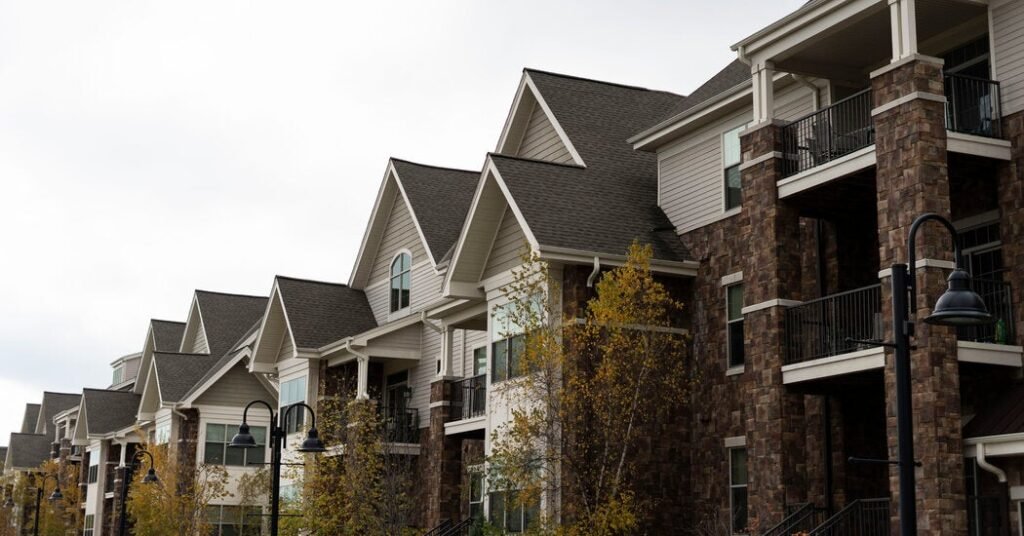
The area offers a broader housing mix than buyers may see from listings alone, with established single-family properties, newer planned communities, townhomes, and ongoing residential construction. The practical difference between these options lies in maintenance exposure, community fees, development stage, and long-term ownership costs.
What Types of Homes Are Available In Summerville?
Single-family detached homes remain a major part of the town’s housing stock, according to the Town’s Comprehensive Plan, while local planning policy also supports a wider range of housing types as the community grows.
Depending on current inventory and location, buyers may encounter:
- Established single-family homes
- Recently built detached homes
- Townhomes
- Homes within master-planned communities
- Properties near older sections of town
- New construction in developing residential areas
The housing type can influence more than floor plan and lot size. An established property may come with mature surroundings and fewer nearby construction phases, while a newer development may offer contemporary layouts, community amenities, and newer building systems.
Buyers working with a real estate agent or buying agent should therefore compare ownership structure and location alongside physical features rather than choosing solely by square footage or bedroom count.
Should You Choose New Construction or an Existing Home?
New construction can reduce immediate exposure to aging roofs, HVAC systems, plumbing, and other major components, but the purchase structure requires careful review.
Builder communities may separate the advertised base price from lot premiums, structural options, design selections, and other upgrades. Nexton, for example, explicitly states that its published base pricing does not include lot premiums, site costs, design upgrades, structural options, or buyer-selected customizations.
Before purchasing a newly built home, verify:
- What the base price actually includes
- Lot or location premiums
- Builder warranty coverage
- Upgrade costs
- HOA or property-owner association obligations
- Estimated completion timing
- Future construction phases around the property
Existing homes shift the evaluation toward condition. A professional inspection can help identify visible concerns involving the roof, HVAC system, electrical components, plumbing, drainage, foundation, and previous renovations.
An older home is not automatically a higher-risk purchase, just as a new home is not automatically maintenance-free. The useful comparison is expected ownership cost, condition, warranty protection, and location.
What Costs Should Homebuyers Consider?
The listing price represents only one part of the financial commitment. Buyers comparing homes in the area, whether independently or with a buying agent, should calculate the likely total cost of ownership for each property.
That calculation can include:
- Mortgage principal and interest
- Property taxes
- Homeowners insurance
- HOA or community assessments
- Utilities
- Routine maintenance
- Future repairs
- Transportation expenses
- Closing and moving costs
- Property-specific insurance considerations
This matters because two similarly priced homes can create different monthly expenses.
For example, a newer home may have lower near-term maintenance requirements but include recurring community assessments. An existing property without comparable association fees may require more money for future repairs or system replacement.
The town’s current planning work also treats housing availability and affordability as significant issues as the community grows, reinforcing the value of comparing the complete ownership picture rather than purchase price alone.
Buyers should obtain tax, insurance, HOA, financing, and property-condition information for the specific address before deciding what fits their budget.
Which Summerville Communities Should Buyers Explore?
There is no single community that works best for every buyer. The better approach is to compare verified residential areas according to property type, development stage, amenities, commute requirements, and ownership structure.
Nexton is a large master-planned community with a local address that includes single-family homes and townhome options across multiple residential areas. Its current community materials also identify parks, trails, commercial services, restaurants, offices, and other amenities within the development.
For buyers considering Nexton, the practical questions include which village or section fits the preferred home type, what association obligations apply, and how the property’s position relates to I-26 and regular destinations.
Summers Corner, located off Beech Hill Road, is another established master-planned community with ongoing residential development. Its official community information describes multiple neighborhoods organized around parks, lakes, natural areas, and a village center.
Buyers should compare these newer communities with established residential areas closer to the central town area. An established location may offer a different street pattern, property age, lot configuration, and relationship to downtown services than a recently developed master-planned community.
Rather than asking which neighborhood is universally “best,” determine which setting best matches your:
- Preferred home type
- Maintenance expectations
- HOA tolerance
- Commute route
- Amenity priorities
- Lot and privacy preferences
- Long-term ownership plans
Buyers ready to compare current properties can work with Roy Brooks @ EXP Realty to explore local real estate opportunities and evaluate available homes based on these property-specific priorities rather than community reputation alone.
Schools, Amenities, Recreation, & Everyday Life

Schools and recreation affect how well a local address supports everyday routines after the move. Because the town extends across multiple counties, school assignment requires address-level verification, while local parks and trails provide recreation without requiring a trip into Charleston.
What Should Families Know About Local Schools?
A local mailing address does not identify the school district or assigned schools by itself. Depending on the property’s location, public-school jurisdiction may involve Dorchester School District Two, Berkeley County School District, or Charleston County School District.
Dorchester School District Two provides an address-based school locator that returns the elementary, middle, and high schools assigned to a residence. The district lists several campuses with local addresses, including Summerville Elementary, Flowertown Elementary, Knightsville Elementary, and Fort Dorchester Elementary.
Berkeley County School District also maintains attendance zones, and its boundaries were updated for the 2026–2027 school year as new schools opened and attendance lines changed. Charleston County School District provides its own school lookup tool for properties under its jurisdiction.
For buyers with school-age children, the practical process is to verify the exact property address before making a purchase decision. Check:
- Current district and attendance zone
- Elementary, middle, and high school assignment
- Transportation arrangements
- Enrollment requirements
- Programs relevant to the student’s needs
School boundaries can change as enrollment and residential development change, so an old listing description or neighborhood assumption should not replace confirmation through the applicable district.
What Outdoor Recreation Is Available Locally?
The town provides municipal parks, walking and biking routes, playgrounds, sports facilities, and public gathering spaces that support recreation close to residential areas.
Azalea Park, located just outside the downtown area, includes walking trails, ornamental gardens, two tennis courts, gazebos, a playground, and a children’s discovery garden. Its proximity to the central area makes it useful for residents who want an outdoor space near downtown businesses and community activity.
Sawmill Branch Trail provides a different type of recreation. The paved walking and biking route extends for just under seven miles alongside the Sawmill Branch Canal, with multiple trailheads, fitness facilities, playground access, and a connection to the off-road Sawmill Ridges trail. It is also planned as part of the larger Loblolly Greenway system.
For someone moving to Summerville, SC, these amenities are more useful when considered in relation to a prospective home. Distance to a trailhead, park, recreation facility, or downtown public space can influence how frequently those amenities become part of everyday life, making proximity a practical factor when comparing otherwise similar properties.
Buying A Home & Deciding Whether the Area Fits
Once the area appears to match your preferred lifestyle and housing needs, the next step is property-level due diligence. The goal is to determine whether a specific home works financially, operationally, and geographically before making an offer.
What Should Buyers Verify Before Making an Offer?
A strong purchase decision depends on details that may not be obvious from the listing. A real estate agent can help buyers organize questions and communicate efficiently with the selling agent during due diligence.
Review the property’s:
- Condition: Inspect the roof, HVAC, plumbing, electrical systems, drainage, foundation, and prior repairs.
- Taxes and insurance: Confirm current estimates for the specific address rather than relying on the seller’s past costs.
- HOA obligations: Review fees, restrictions, maintenance responsibilities, and community rules where applicable.
- School assignment: Verify the current district and attendance zone directly with the appropriate school system.
- Jurisdiction: Confirm whether the property falls within Dorchester, Berkeley, or Charleston County and which local services apply.
- Surrounding development: Check nearby land use, planned construction, and road projects that could affect future traffic or neighborhood conditions.
- New-construction terms: Clarify builder warranties, upgrades, lot premiums, completion timing, and future community phases.
These checks convert a home search from a visual comparison into a risk-based buying decision. A buying agent or real estate agent can help organize the process, while communication with the selling agent can clarify seller-provided information as the transaction moves forward.
Buyers who want structured support through financing, property evaluation, negotiations, inspections, and closing can explore our home buying services.
For representation focused on the buyer’s interests throughout the transaction, you can also work with an experienced buying agent or real estate agent.
Pros & Cons of Moving To Summerville, SC
The area offers several practical advantages, but buyers should weigh them against the realities of growth, commuting, and property-specific ownership costs.
Potential advantages:
- A mix of established homes, townhomes, and new construction
- Access to Charleston-area employment and commercial centers
- An identifiable downtown and local community infrastructure
- Parks, trails, and recreation within the town
- Multiple residential settings across established and developing areas
Potential considerations:
- Daily life is largely vehicle-dependent
- Traffic conditions can vary by corridor and time of day
- Continued development may change nearby roads, land use, and community character
- HOA structures and recurring ownership costs differ between communities
- School assignment, insurance, taxes, and jurisdiction require address-specific verification
The most useful comparison is not whether the town has more advantages than disadvantages overall, but whether its tradeoffs align with your actual routine and budget.
Is the Area Right for You?
The area may suit buyers who want a residential Lowcountry setting with access to Charleston-region employment, varied housing options, local recreation, and both established and newer communities.
It may be a weaker fit for someone who prioritizes highly walkable urban living, wants to minimize driving, or requires a very specific commute that does not align well with the property’s location.
Before deciding, compare several homes based on the factors that are hardest to change after closing: location, commute, jurisdiction, lot characteristics, HOA structure, nearby development, and total ownership cost.
If those elements support your long-term needs, moving here can become a practical homebuying decision rather than simply an appealing relocation idea.
FAQs About Moving To Summerville, SC
These questions address the most common relocation and homebuying concerns without repeating the detailed explanations covered earlier.
Is Summerville, SC a good place to live?
The area can suit people who want a residential Lowcountry setting with access to local amenities and the wider Charleston region. The right fit depends on your commute, preferred housing type, budget, and how much driving you are comfortable with in daily life.
What is living here like?
Living here combines an established town center with newer residential development, parks, local businesses, and regional road access. Different parts of the town can feel noticeably different, so buyers should compare locations based on everyday convenience rather than relying on a citywide impression.
Why are people moving here?
Relocation interest is often tied to the area’s housing variety, Charleston-area accessibility, established community infrastructure, and continued residential development. Individual reasons still vary, so buyers should evaluate whether those characteristics support their own work, lifestyle, and ownership priorities.
How far is the town from Charleston?
The town is northwest of Charleston and connected to the region primarily through Interstate 26 and other major roads. Actual travel time varies considerably by starting point, destination, traffic, and time of day, making a test commute more useful than a generalized estimate.
What types of homes are available locally?
Buyers can find single-family homes, townhomes, established resale properties, new construction, and homes within planned communities. Available inventory changes over time, so compare property condition, HOA requirements, development stage, location, and total ownership costs rather than focusing only on home style.
Is the area a practical option for families?
The community offers residential areas, parks, recreation facilities, and access to multiple public school systems depending on the property location. Families should verify the exact school district, attendance zone, transportation arrangements, and proximity to everyday destinations before choosing a home.
Should I rent or buy here?
Renting may provide flexibility for someone still learning the area or uncertain about long-term plans. Buying may be more appropriate for people prepared for mortgage payments, taxes, insurance, maintenance, HOA costs where applicable, and the responsibilities of longer-term ownership.
What should I check before buying a home here?
Verify the property’s condition, jurisdiction, school assignment, insurance requirements, taxes, HOA obligations, surrounding development, and commute. A buying agent or real estate agent can help organize these checks and coordinate property-specific questions with the selling agent. For new construction, also review builder warranties, upgrade costs, lot premiums, completion terms, and planned future phases before committing.
Conclusion
Ready To Start Your Summerville Home Search?
If the area aligns with your housing preferences, commute, budget, and long-term plans, start by comparing properties that match those priorities with support from Roy Brooks @ EXP Realty if needed. Look beyond the listing price and evaluate location, ownership costs, school assignment, HOA requirements, and property conditions.
Explore local real estate opportunities to begin comparing homes with your relocation goals in mind.